

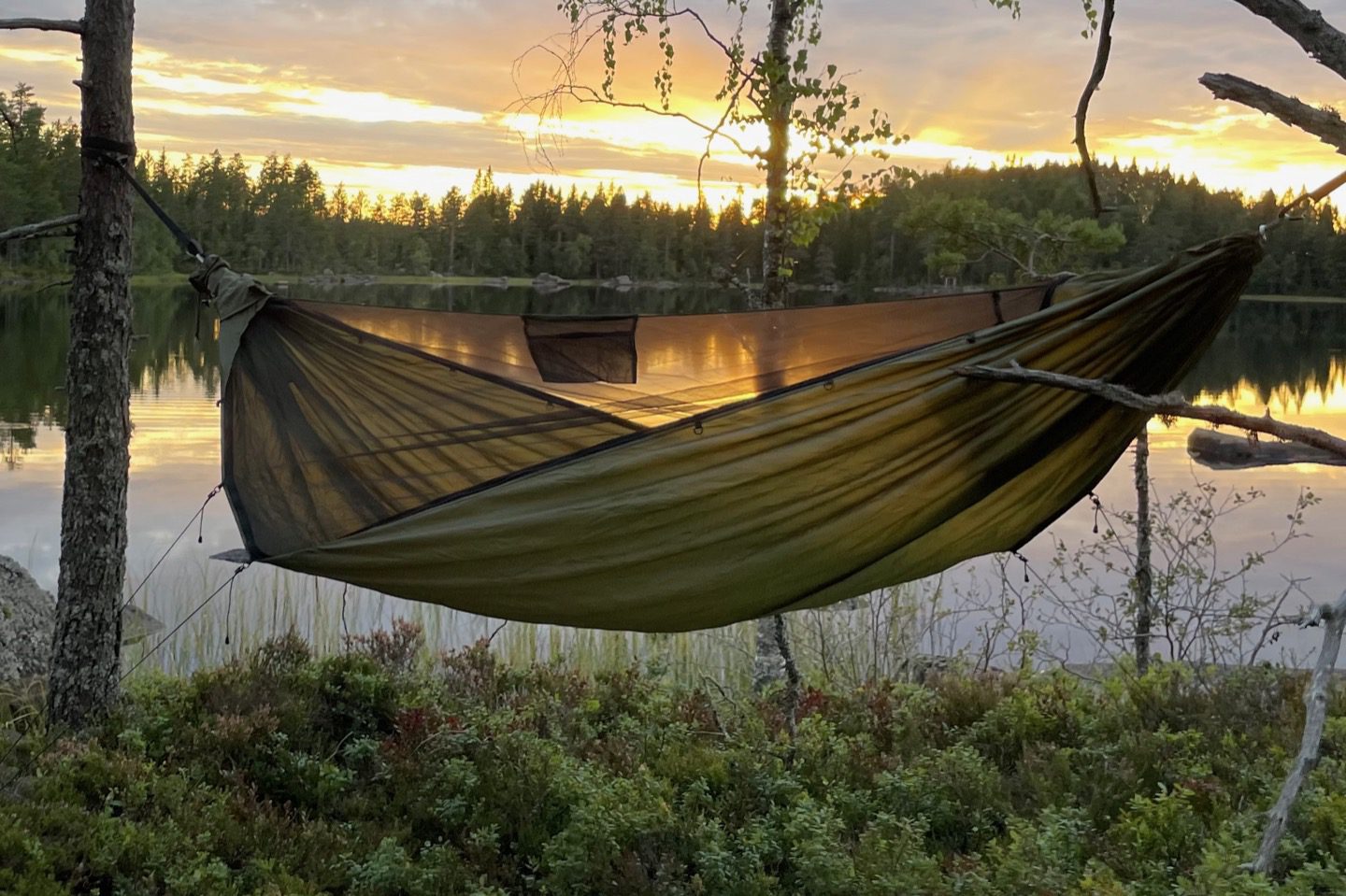
I’ve always been fascinated by how something as simple as a hammock can carry so much history. It’s like this quiet companion that’s been swaying through time, from ancient jungles to our modern Nordic forests. At Jord Hammock, we draw inspiration from that legacy, designing gear that feels connected to those roots while fitting right into today’s adventures. Let’s take a gentle walk through the hammock’s story, pulling from old tales and early forum chats on places like HammockForums.net. It’s a reminder that what we hang in today has been trusted for centuries.
Hammock Origins in Central America
Picture this: Over a thousand years ago, in the lush Central American rainforests, the Maya people wove the first hammocks from sisal fibers and cotton. These weren’t just beds—they were clever ways to stay off the damp ground, away from insects and floods. The Arawak tribes called them “hamacas,” and when Columbus landed in 1492, his crew was hooked. Sailors swapped their hard ship bunks for these swaying nets, finding comfort in the roll of the waves.
It’s amazing how that simple idea spread. In Scandinavia, we might not have the same tropical origins, but the principle rings true—lifting yourself above the cold, wet earth for a better rest. That’s why our Jord Hammock stretches a full 350 cm, giving tall folks like us plenty of room to relax without feeling cramped: https://jordhammock.com/products/jord-hammock.
Hammocks Across Europe and Beyond
As explorers carried hammocks home, they wove into European life. The Greeks lounged in similar slings during campaigns, and by the 1500s, African designs caught on too. The word “hammock” popped up in English around 1555, describing these hanging canvas beds that kept people cool and comfortable.
Fast forward to the 1900s, and hammocks became backyard staples, showing up in old photos as spots for lazy afternoons. Even medieval travelers might have rigged something similar from ropes and shields. Early threads on HammockForums.net dig into this, with folks sharing how these ideas evolved into what we use today—simple, reliable hangs that stand the test of time.
We see that durability in our Jord Tarp, built to shield against the unpredictable Nordic weather, just like those early designs protected against storms at sea: https://jordhammock.com/products/tarp.
The Modern Evolution of Hammock Camping
By the 20th century, hammocks stepped into the spotlight for adventurers. Patents like the 1902 bridge hammock aimed for flatter lays, and scouts in the ’80s started using them for wilderness trips—mesh under tarps, keeping things light and bug-free.
Tom Hennessy pushed things forward in the ’90s with asymmetrical shapes, but forum discussions trace it back further—ridgelines and sag rules born from real hangs, where comfort was king. Those early HammockForums posts from 2008 onward build a real sense of community, debating origins and sharing tips that make hammocking credible and approachable.
It’s that spirit we channel at Jord Hammock. Our underquilt, with its fluffy 850 fill power down, wraps you in warmth like those ancient weaves kept folks safe: https://jordhammock.com/products/jord-underquilt. And the topquilt completes the setup, easy and breathable for those quiet Nordic nights: https://jordhammock.com/products/jord-topquilt.
Why History Builds Trust in Hammocks Today
From Mayan ingenuity to today’s lightweight wonders, hammocks have proven themselves time and again. They’re not a fad—they’re a reliable way to connect with nature, lifting you above the chill for deeper rest. In our Scandinavian spots, where the forests call for simplicity, that history adds a layer of trust to every swing.
If you’re ready to dive deeper into winter setups, check out our main guide on Scandinavian winter hammock camping: https://jordhammock.com/blog/scandinavian-winter-hammock-camping/

