

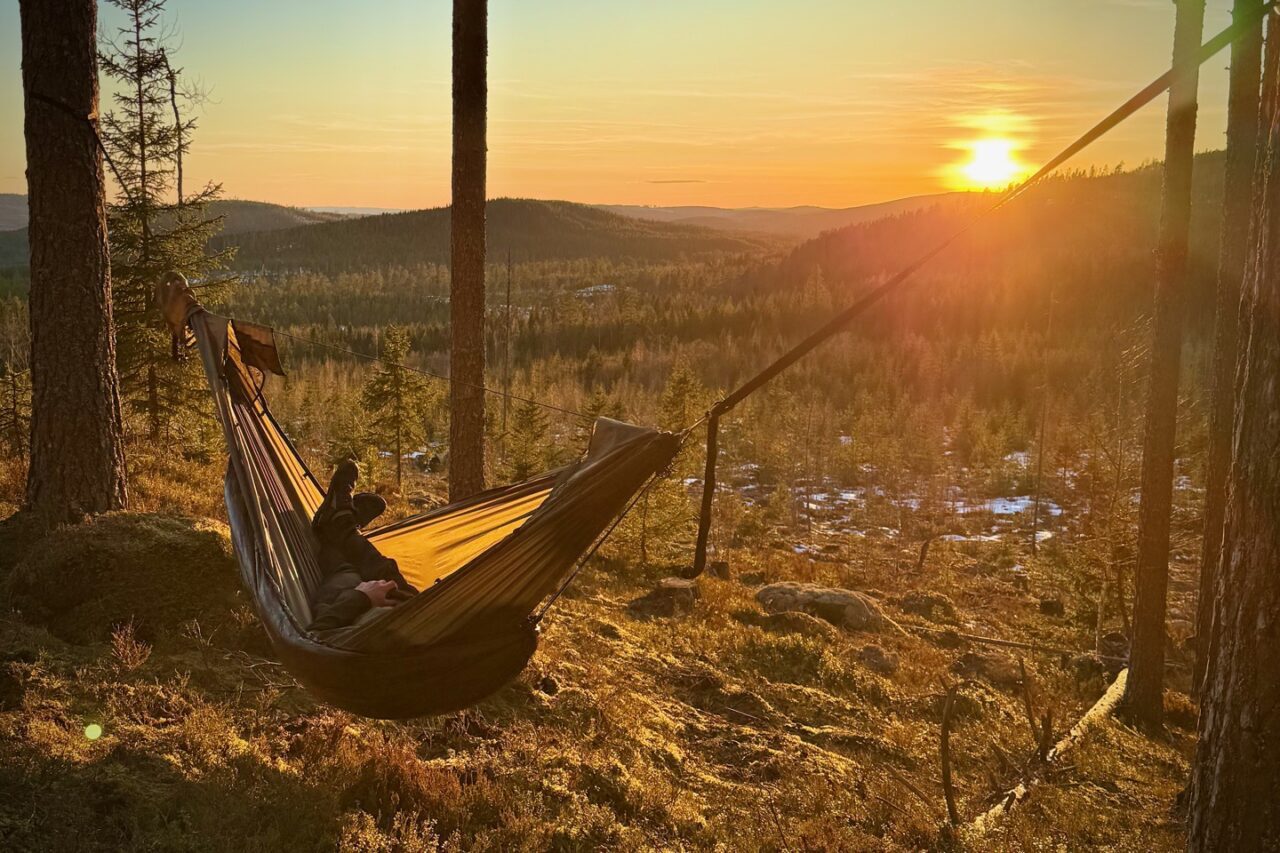
Winter hammock camping in Scandinavia is not like winter camping anywhere else.
We deal with a different enemy: air that is both cold AND humid.
And that’s why choosing the right underquilt isn’t just “gear shopping” — it is the difference between deep sleep and cutting the night short.
In a tent, the ground steals your heat.
In a hammock, the air steals your heat.
Your underquilt is literally your survival layer.
This guide shows you exactly what actually matters (and what does not) so you don’t waste money on the wrong thing.
1) Length Matters More Than Temperature Ratings
Most US-market underquilts are too short.
They are built to be “3/4 length” because weight saving is a religion over there.
In Scandinavia, weight is NOT the limiting factor.
Warmth is.
When you hang in sub-zero Nordic air, your entire body needs to be inside the insulation bubble — from shoulder to feet.
If your quilt is short, you will feel cold spine-spots and calf pressure points the moment wind shifts.
Full length is the Scandinavian standard
A good reference point:
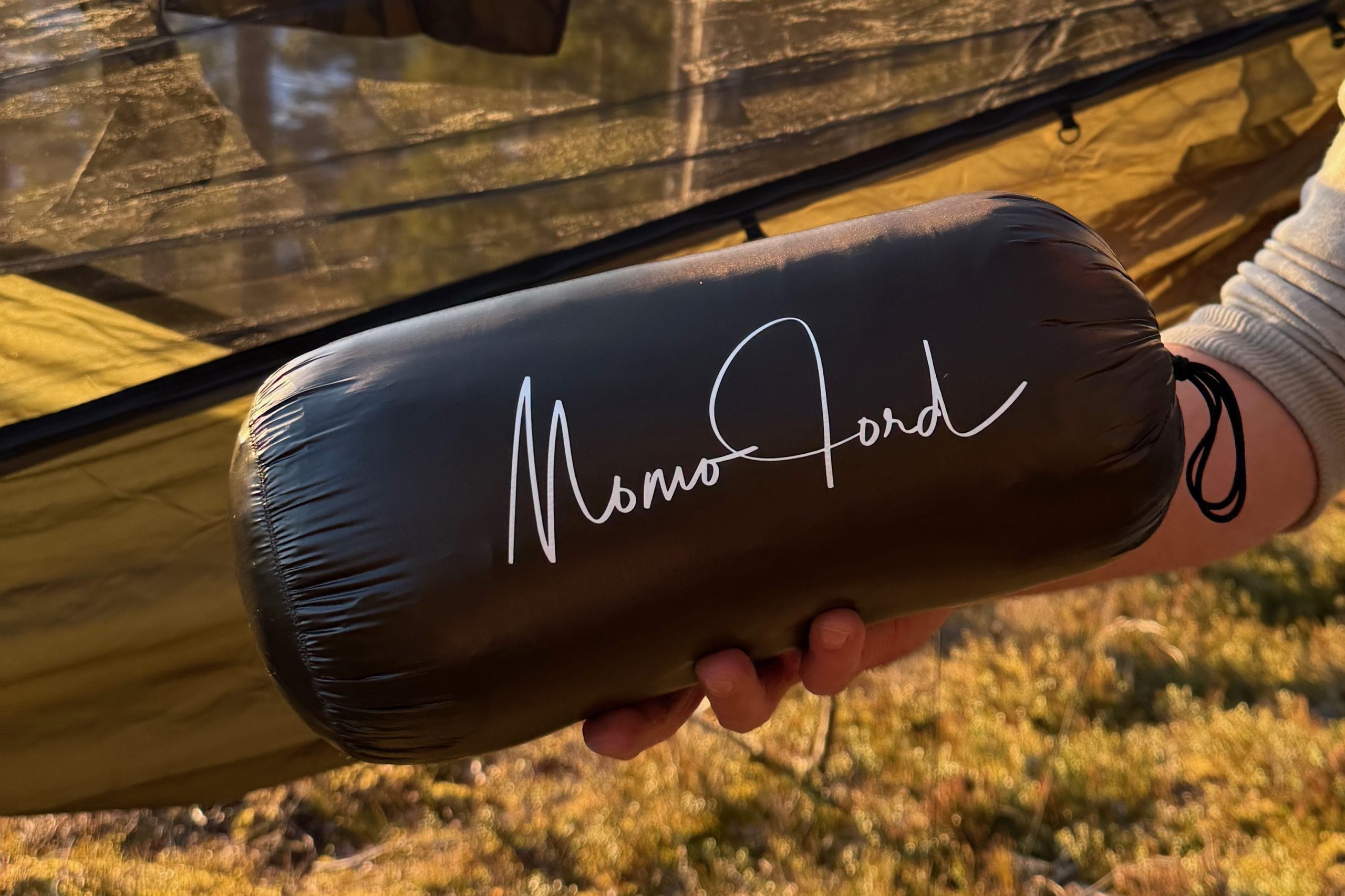
The Jord Underquilt is 208 cm long:
https://jordhammock.com/underquilt/
(This is why many tall European hammockers finally stop freezing.)
For taller users common in Scandinavia, aim for underquilts at least 200 cm long to ensure full coverage without drafts. Shorter 3/4 options (around 150-180 cm) might save ounces but often leave feet or shoulders exposed, leading to discomfort in humid, windy conditions. Remember, in a hammock, you sleep diagonally, so length accommodates that natural position better in longer models.
2) Loft > Temperature Claims Printed on Websites
Temperature numbers are marketing.
Loft is physics.
The more loft (thickness of down when inflated), the more air your quilt traps.
For actual winter:
look for high loft down and not just “winter labelled”.
The Jord Underquilt uses 850FP RDS down because that is the best warmth-to-weight ratio you can practically get in real field use.
High fill power (FP) like 800+ creates superior loft, trapping more dead air for insulation. Synthetic fills, while durable in wet conditions, often have lower loft and bulkier packs. For Scandinavian humidity, opt for water-repellent treated down to maintain loft even in damp air. Experts recommend quilts with at least 400g of fill for 0°F ratings, but always test in milder colds first.
3) Fit & Seal Is More Important Than Fill Weight
The most common mistake new winter hammockers make:
They buy a warm quilt that simply does NOT seal around the hammock body.
Cold air creeps in through:
- end channels
- suspension gaps
- sides when you shift position
A winter quilt must seal easily without endless adjustments.
If you have to fine-tune for 40 minutes every camp — it’s the wrong quilt.
Look for adjustable shock cords, differential cuts (wider bottom for hugging), and compatibility with your hammock’s shape. Asymmetrical hammocks need quilts that contour well to avoid gaps. In windy Nordic setups, a good seal can boost effective warmth by 10-15°F.
4) Should You Combine with a Top Insulation?
YES.
Your top insulation is your second half of the system.
A sleeping bag can work — but many Scandinavian hangers (including me) eventually move to a Topquilt because it handles moisture better and is easier to use in a hammock:
→ https://jordhammock.com/topquilt/
Pairing under and top quilts creates a full cocoon, managing convection and radiation heat loss. For sub-zero temps, stack quilts or add pads for redundancy. Topquilts vent better, reducing condensation in humid Scandinavian winters.
5) Your Hammock Body Size Also Plays a Role
If your hammock is longer (like here in the Nordics — because many of us are tall), a larger quilt simply matches the geometry better.
Example:
The Jord Hammock is 350cm long:
https://jordhammock.com/hammock/
A tiny US quilt is designed for 300ish cm hammocks.
Mismatch = cold.
Perfect fit = warm bubble.
Taller hammocks (300+ cm) pair best with full-length quilts to prevent end drafts. Consider your hammock’s sag and width—wider quilts (140+ cm) wrap better around broader models.
6) Is It Better to Buy a Complete Matched System?
For winter camping: Yes.
When your hammock + quilt + tarp are designed to work as a single ecosystem → you don’t get cold gaps.
If you want a straight “I don’t want to think” purchase path:
get a winter-ready kit:
Matched systems ensure compatibility, saving setup time in freezing conditions. Community tips include adding hot water bottles or pads for extra warmth.
The Scandinavian Winter Rule of Thumb
If you want one sentence that predicts your success:
choose the underquilt FIRST
then build the rest of your system around it
The underquilt is the foundation of winter hammock warmth here in the North.
Start with the quilt.
Choose one that is long, high loft, and seals easily.
Then add your top insulation and tarp strategy.
This is how you stop “surviving the cold” and start enjoying it — the Nordic way.
If you want the FULL winter setup breakdown, read the main guide here:
https://jordhammock.com/blog/scandinavian-winter-hammock-camping/


