

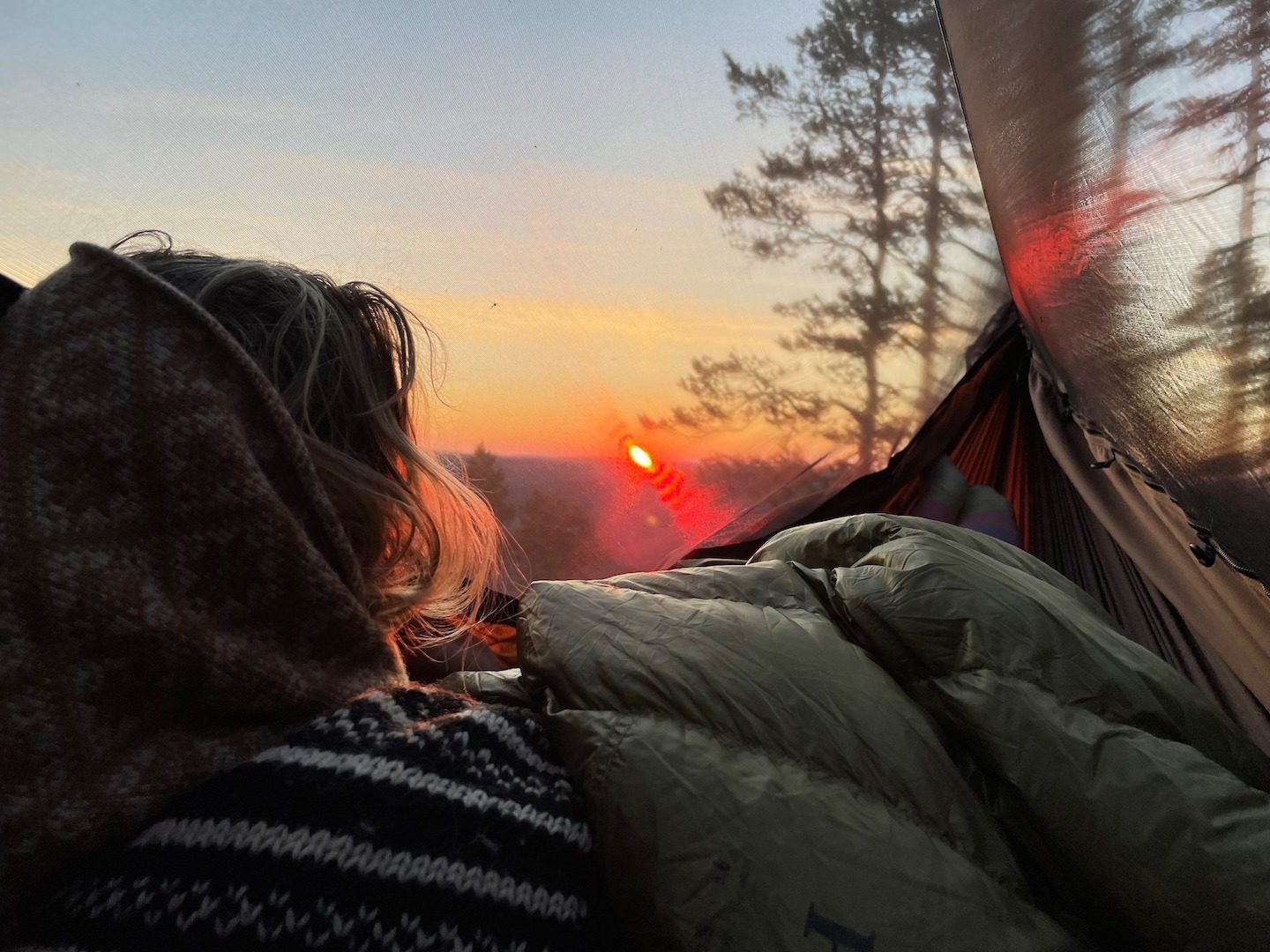
Winter hammock camping in Scandinavia demands gear that combats not just the cold, but the pervasive humidity that seeps into everything. A topquilt isn’t merely an accessory—it’s your upper barrier against convective heat loss, moisture buildup, and those bone-chilling Nordic winds. Unlike a sleeping bag, which compresses under your weight and traps sweat, a topquilt drapes over you like a customizable blanket, sealing in warmth while allowing breathability.
In a hammock, your body heat rises, but without proper top insulation, you’ll wake up clammy and cold. This guide dives deep into what truly matters when selecting a topquilt, based on real-world insights from hammock enthusiasts and Nordic campers. We’ll cut through the hype to help you avoid costly mistakes and build a system that lets you thrive in sub-zero hangs.
1) Prioritize Loft and Fill Power Over Marketing Temperature Ratings
Temperature ratings on websites are often optimistic—real warmth comes from loft, the quilt’s ability to puff up and trap air. In Scandinavia’s humid winters, where damp air reduces insulation efficiency, high-loft materials are essential.
Look for quilts with 800+ fill power (FP) down for superior warmth-to-weight ratios; 850FP is ideal, as it creates thick, compressible layers without bulk. The Jord Topquilt uses premium 850FP RDS-certified down, delivering exceptional loft for temperatures down to -5°C or lower when paired properly. Synthetic options, like Climashield Apex, maintain loft even when wet—a smart choice for rainy Nordic conditions—but they pack larger.
Rule of thumb: Aim for at least 400g of fill for winter use, and test in milder colds first. Don’t chase extreme ratings; factor in your base layers and caloric intake for accurate comfort.
2) Down vs. Synthetic: Balancing Warmth, Weight, and Wet-Weather Resilience
Material choice is a battle between down’s unbeatable loft and synthetic’s reliability in humidity.
Down excels in dry cold, offering lightweight, packable warmth that’s perfect for Scandinavian backcountry trips. Water-repellent treatments (like DWR) help it resist moisture, but prolonged dampness can cause clumping. The Jord Topquilt’s treated down handles Nordic fog and light snow well, compressing small for easy packing.
Synthetics shine in wet scenarios, drying faster and retaining insulation when soaked—crucial for Scandinavia’s unpredictable blizzards. However, they’re heavier and less compressible, adding pack weight on long hikes.
For most Nordic winter campers, down wins for efficiency, but opt for synthetic if you camp in consistently rainy areas. Hybrid quilts (down with synthetic overlays) offer a balanced compromise.
3) Length and Width: Full Coverage to Prevent Drafts and Cold Spots
Short quilts save weight but leave gaps—unforgivable in winter winds. Scandinavian campers, often taller, need full-length options for complete coverage.
Target quilts at least 200 cm long and 130 cm wide to wrap around your sides, creating a draft-proof cocoon. The Jord Topquilt measures 208 cm long, matching taller hammocks perfectly and accommodating broad shoulders without restriction. Narrower quilts (under 120 cm) might suffice for slim builds but risk side drafts in gusty fjords.
Consider your sleeping style: Side sleepers benefit from wider cuts to prevent shoulder exposure. Always match the quilt’s dimensions to your hammock’s lay for optimal seal.
4) Draft Collars, Footboxes, and Adjustability: Sealing Out the Cold
A great topquilt seals like a fortress—look for features that block air infiltration.
Draft collars (padded neck seals) and cinchable ends prevent heat escape at the shoulders and feet. A closed or snap footbox keeps toes toasty, while adjustable drawcords allow customization. The Jord Topquilt includes these, with a versatile design that vents easily to manage condensation—a common issue in humid Scandinavian air.
Avoid quilts without these; endless fiddling in the dark leads to frustration. Test for easy adjustments—shock cords or toggles should secure without bunching.
5) Pairing with Your Underquilt: Creating a Balanced Insulation System
A topquilt is only half the equation—pair it with an underquilt for full 360° warmth.
Match ratings: Your topquilt should be rated similarly or slightly warmer than your underquilt, as body heat rises. In Scandinavia, where ground frost isn’t an issue but wind is, a combo like the Jord Topquilt and Jord Underquilt creates a seamless bubble, eliminating cold spots.
Stacking quilts (adding a synthetic overquilt) boosts versatility for extreme colds below -10°C. Always consider ventilation to avoid sweat buildup, which freezes gear in Nordic humidity.
6) Hammock Compatibility and Overall System Integration
Your topquilt must play nice with your hammock—mismatches cause drafts or discomfort.
Longer Nordic hammocks (like the 350 cm Jord Hammock: [https://jordhammock.com/products/jord-hammock]) pair best with extended quilts to cover the full sag. Asymmetrical designs need quilts that contour without pulling.
For a no-brainer setup, choose a matched system. The Jord lineup integrates flawlessly, including the Jord Tarp for wind protection. If you’re building piecemeal, ensure the quilt’s attachment points (clips or loops) align with your hammock’s edges.
7) Price, Durability, and Long-Term Value
Invest in quality—cheap quilts lose loft over time.
Expect €300-450 for a solid winter topquilt. Durability hinges on ripstop nylon shells (10D or tougher) and ethical fills like RDS-certified down. The Jord Topquilt balances premium features with affordability, offering machine-washable ease and longevity.
Value tip: Factor in pack size and weight; compressible quilts save space for other essentials on Scandinavian treks.
The Scandinavian Winter Rule of Thumb for Topquilts
Boil it down: Select a topquilt second, after your underquilt, ensuring it matches in rating, seals drafts, and handles humidity. Prioritize loft and fit over bells and whistles—then enjoy the cozy swing above the snow.
This approach turns “enduring” winter into embracing it, Nordic-style.
If you want the FULL winter setup breakdown, read the main guide here:
https://jordhammock.com/blog/scandinavian-winter-hammock-camping/

