

Scandinavian Winter Hammock Camping: The Ultimate Guide
Winter hammock camping in Scandinavia might seem like a daring adventure reserved for the hardiest souls, but for those who’ve experienced it, it’s a gateway to profound tranquility. Picture yourself suspended between snow-draped pines in the Swedish forests of Hälsingland or the Norwegian fjords, where the crisp air purifies your thoughts and the silence of the Nordic wilderness envelops you like a soft blanket. Far from the discomfort of frozen ground tents, a well-set hammock offers warmth, minimalism, and an intimate connection with nature.
At Jord Hammock, we specialize in handmade gear designed right here in Sweden for exactly these conditions—rugged, lightweight, and tested in our unpredictable Nordic weather. This comprehensive guide draws from real-world experiences, expert insights, and the timeless Scandinavian philosophy of outdoor living to help you master winter hammock camping. Whether you’re a seasoned camper or new to hanging in the cold, we’ll cover everything from gear essentials to safety protocols, ensuring your nights above the snow are safe, comfortable, and unforgettable.
Why Winter Hammock Camping Works in Scandinavia (When Done Right)
Many dismiss hammock camping in sub-zero temperatures as impractical, but physics and practical experience prove otherwise. In Scandinavia, where winters bring heavy snow, biting winds, and temperatures often dipping below -10°C (14°F), hammocks can actually outperform tents by eliminating direct contact with cold, moist ground. Ground conduction—where heat escapes rapidly into frozen soil—is a major heat thief in tents, but hammocks suspend you in air, reducing this loss significantly.
The key lies in managing convection (air movement that steals body heat) and radiation (heat loss to colder surroundings). By trapping air layers with proper insulation, you create a microclimate warmer than the ambient temperature. Scandinavian campers, influenced by the region’s dense forests and variable weather, prioritize “underquilt discipline”—insulating from below to prevent cold air from rushing underneath. This approach not only keeps you toasty but also minimizes moisture buildup, a common tent issue in snowy conditions.
Plus, hammocks pack lighter and set up faster in tree-rich Nordic landscapes, aligning with the minimalist ethos that defines Scandinavian outdoor pursuits.
Essential Gear for Scandinavian Winter Hammock Camping: No-Nonsense Recommendations
Gear selection is make-or-break in winter conditions. Forget bulky, generic camping equipment—focus on high-quality, purpose-built items that prioritize warmth, weight, and durability. Based on insights from Nordic campers and gear experts, here’s the priority stack for a successful hang.
1. The Hammock: Your Foundation for Comfort
Start with a spacious, asymmetrical hammock designed for cold-weather stability. In Scandinavia, where tall trees abound but space can be tight, opt for models that allow a flat lay to prevent shoulder squeeze and promote even weight distribution.
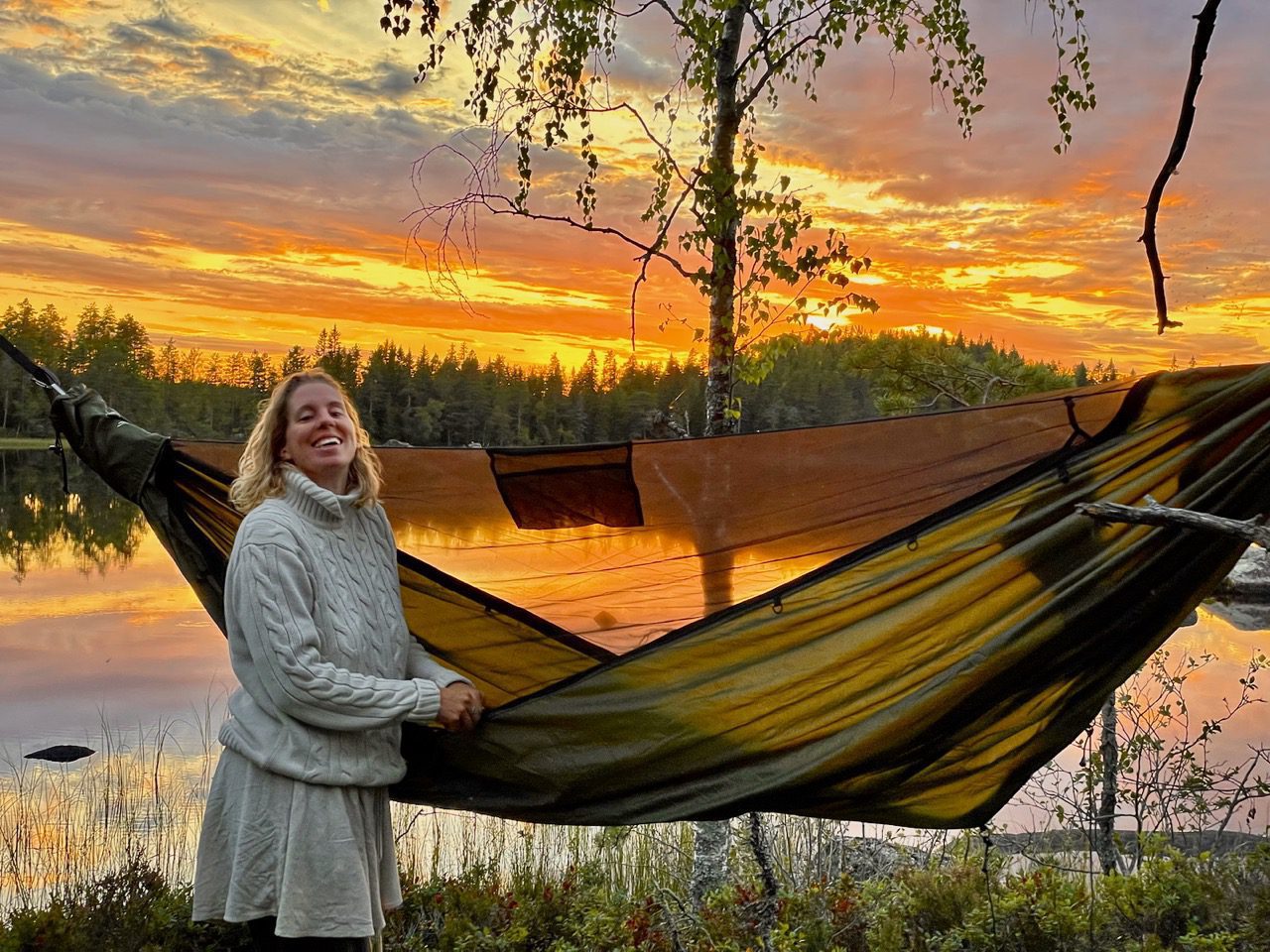
Our flagship Jord Hammock is handmade in Sweden for tall users (up to 350 cm long), featuring an integrated mosquito net for transitional seasons and ample storage. Tested in Hälsingland’s forests, it’s ideal for winter hangs, providing the perfect base for insulation layers without sagging under snow weight. In true winter conditions, you won’t need the net, freeing up space for extra warmth layers.
2. Underquilt: Your Lifeline Against Bottom Cold
This is non-negotiable—cold air beneath the hammock can drop your core temperature faster than you realize. Choose a high-loft underquilt with at least 850 fill power down for superior warmth-to-weight ratio. Experts recommend quilts rated 10-20°F below expected lows to account for wind chill.
The Jord Underquilt, crafted with 10D ripstop nylon and RDS-certified down, hugs your hammock to eliminate cold spots. At just 208 cm long, it’s lightweight yet roomy, making it a favorite for Scandinavian winters where every gram counts.
3. Top Quilt or Sleeping Bag: Dry, Layered Warmth
Ditch heavy mummy bags for a top quilt that seals in heat without compression. Look for breathable materials to manage condensation, a common issue in humid Nordic air.
Our Jord Topquilt uses the same premium down as our underquilts, offering versatile warmth for hammock or ground use. Pair it with wool base layers for optimal moisture-wicking. For extra protection, consider adding an external cover or “cocoon” around the entire setup to trap more heat.
4. Tarp and Wind Protection: Controlling Exposure
A large tarp with doors is essential to block snow, rain, and wind. Pitch it low to create a windbreak, and consider reflective materials for extra heat retention.
Jord’s Tarp provides ample coverage for dense forest setups, shielding against Scandinavia’s sudden blizzards while maintaining ventilation.
Additional Must-Haves
- Sleeping Pad (Optional Backup): For extreme colds below -20°C, add a closed-cell foam pad inside the hammock for redundancy.
- Clothing Layers: Wool socks, fleece hats, gloves, and a windproof jacket. Avoid cotton—opt for synthetics or merino. Loose pants, like sweatpants, help keep blood flowing without constriction.
- Accessories: Tree straps (twist them a few times to prevent water or snowmelt from dripping down to your hammock), carabiners, and a hot water bottle for toe-warming. For budget hacks, zip a spare jacket around the footbox of your top quilt to boost insulation at your feet.
Investing in quality gear like ours at Jord Hammock ensures longevity and performance, tailored for Nordic adventurers.
Setup Techniques That Make or Break Your Winter Night
Proper setup turns a potential ordeal into bliss. Aim for a 30° hang angle for optimal sag—too tight, and you’ll feel like a banana; too loose, and insulation gaps form.
- Site Selection: Choose sheltered spots in dense woods to avoid wind funnels. In snowy Scandinavia, build a small snow wall or shelf beneath the hammock to reduce air turbulence and boost warmth. Pack the snow down firmly, then step off it for 15-20 minutes to let it compress and solidify—this creates a stable barrier against cold updrafts.
- Tarp Pitching: Set it low (about 1-1.5 meters above the hammock) for wind protection, but not so low it feels claustrophobic. Angle it against prevailing winds, sailor-style, for stability.
- Insulation Adjustment: Hang the underquilt snugly, ensuring no gaps. Test by lying in it during setup. For added warmth, layer an under-blanket or extra insulation below the quilt.
- Pro Tip: Enter your sleeping system standing up, then sit into the hammock to preserve warmth. Manage your clothing layers carefully—it’s better to start a bit cool than to overheat and sweat, which can lead to chilling later.
These techniques, honed through countless Nordic winter nights, can increase perceived warmth significantly.
The Scandinavian Philosophy: Friluftsliv and the Art of Winter Hanging
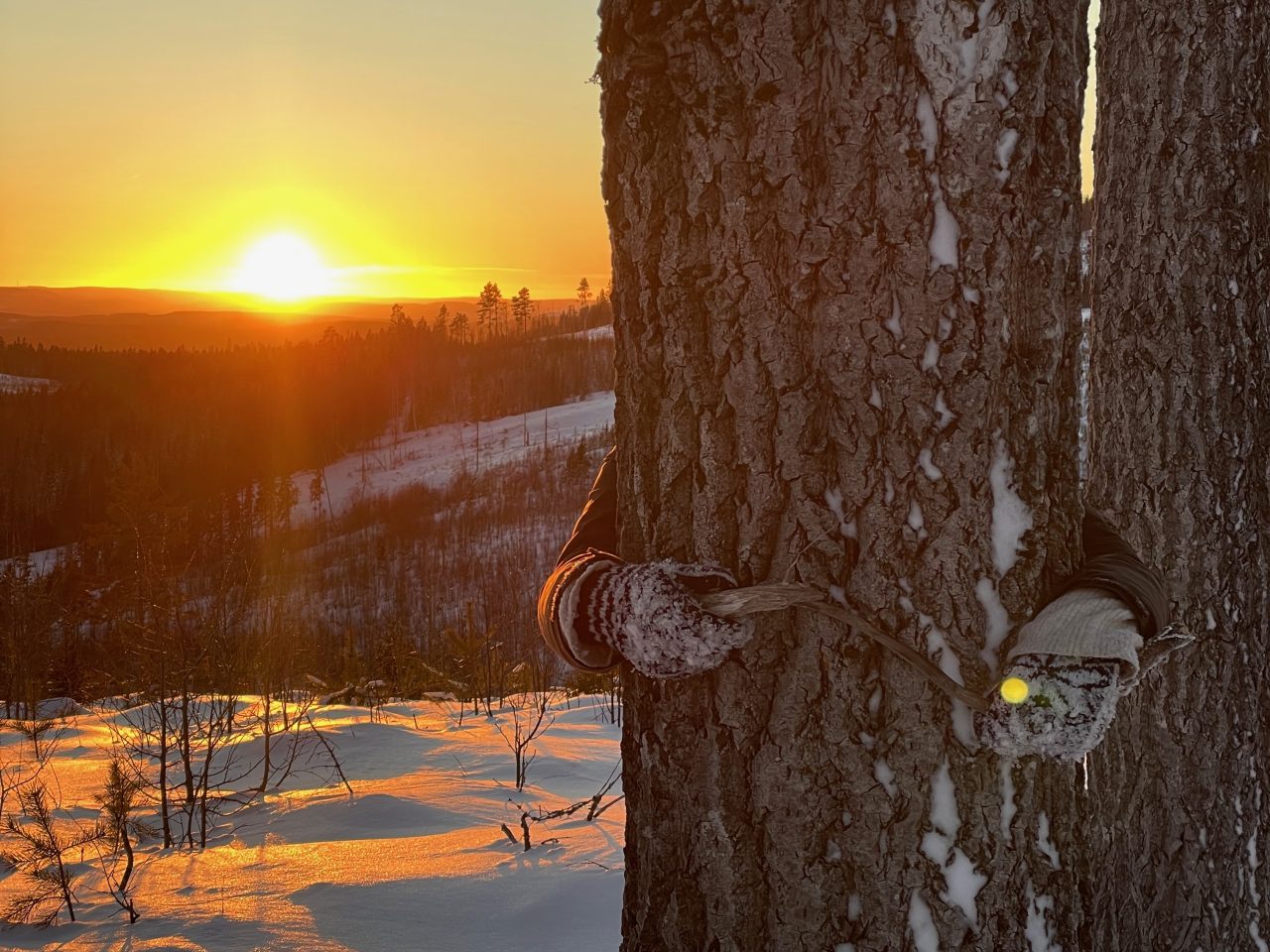
At its core, winter hammock camping embodies friluftsliv—the Norwegian concept of “open-air life.” It’s not just about survival; it’s a philosophy of simple, mindful immersion in nature, fostering well-being through minimalism and presence.
In Sweden, Norway, Denmark, and Finland, friluftsliv encourages slowing down, embracing “kos” (cosiness) amid the elements, and respecting the environment via “Allemansrätten” (everyman’s right) for wild camping. Hammocks amplify this by minimizing impact—no tent footprints on fragile snow—and heightening sensory awareness: the gentle sway, the forest’s hush, the stars piercing the cold sky.
This addictive practice recalibrates your nervous system, reducing stress and enhancing appreciation for Nordic winters’ stark beauty. It’s about a life in fresh air that boosts health and happiness, even in sub-zero temps.
Safety Anchors: Prioritizing Well-Being in the Cold
Winter camping demands vigilance—hypothermia can set in quickly. Key tips from seasoned hammockers:
- Hydration and Nutrition: Dehydrate faster in cold; drink warm fluids regularly.
- No Alcohol: It dilates blood vessels, accelerating heat loss.
- Layering and Monitoring: Use the “be bold, start cold” rule—layer up as needed, but avoid sweating. Stay swallowed in your down insulation for maximum warmth.
- Emergency Plan: Always have a bailout option, like a nearby shelter or vehicle. Pack a whistle, headlamp, and first-aid kit.
- Tree Safety: Ensure anchors are sturdy; snow can hide weak branches.
- Condensation Management: Ventilate to prevent moisture buildup, which can freeze gear.
Comfort isn’t luxury—it’s your safety net. Test setups in milder conditions first.
Your Winter Hammock Camping Checklist
Night Prep
- Attach underquilt and top quilt.
- Pitch tarp for wind direction.
- Reserve dry socks and gloves for sleep.
- Fill a hot water bottle for initial warmth.
- Check weather apps for sudden changes.
Morning Packdown
- Shake frost from tarp outside.
- Ventilate quilts to dry.
- Start with a warm drink before packing.
- Inspect gear for damage.
Conclusion: Embrace the Nordic Hang
Winter hammock camping isn’t about enduring the cold—it’s about mastering it with smart gear, technique, and a friluftsliv mindset. By suspending yourself above the snow, you’ll discover a peace that’s rare in our fast-paced world.
Ready for your first Scandinavian winter hang? Equip yourself with Jord Hammock’s proven gear, handmade for Nordic adventures. Explore our collection today at jordhammock.com and become the one who sleeps serenely in nature’s embrace.


